Understanding BCM Diagnosis and Common Fault Codes
3/7/20262 min read
Introduction to BCM Diagnosis
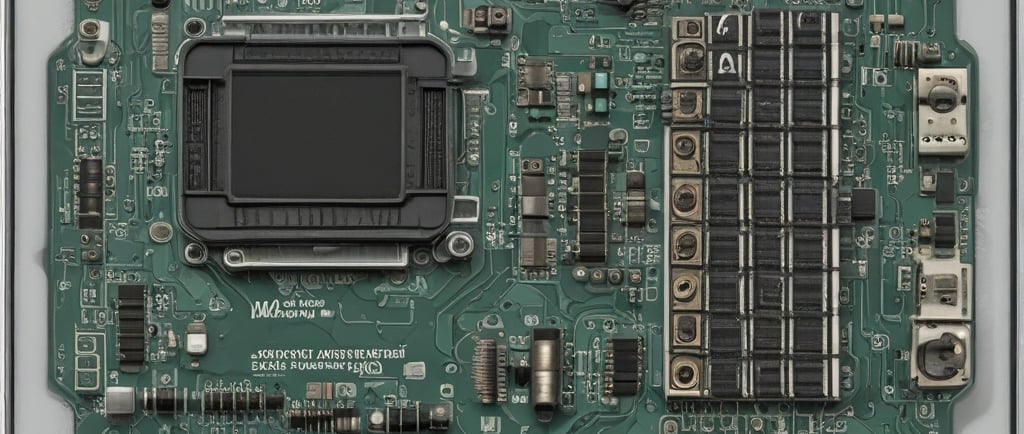
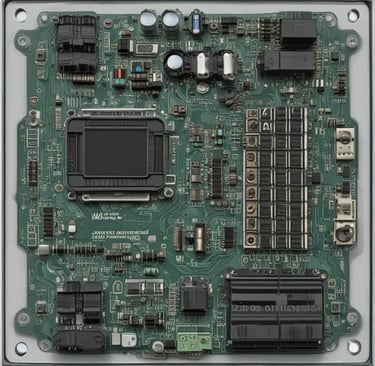
The Body Control Module (BCM) plays a crucial role in automotive electronics, acting as a central hub that communicates with various systems in the vehicle. A comprehensive understanding of BCM diagnosis is essential for effective troubleshooting and maintenance. This post seeks to delve into the intricacies of BCM diagnosis and address the common fault codes associated with this critical component.
Common BCM Fault Codes
BCM fault codes can range from minor issues to significant malfunctions that can impact vehicle performance. Understanding these codes is vital for technicians and vehicle owners alike. Here are some of the most common fault codes associated with the BCM:
- B1000: This code indicates a general BCM issue, typically signifying a malfunction in communication with other modules.
- B1001: This fault code suggests a problem with the ignition switch circuit, which may affect starting the vehicle and operating various electronic components.
- B1010: This code often points to issues with the door status switching, particularly relevant for vehicles equipped with electronic door locks and alarms.
- B1041: This indicates a problem with the BCM's internal power supply, which could lead to multiple electronic failures in the vehicle.
- B1271: This code signifies that the BCM is detecting a malfunction in the tire pressure monitoring system (TPMS).
Steps to Diagnose BCM Fault Codes
Commencing a BCM diagnosis involves several critical steps to ensure thorough analysis and resolution. Below are some essential actions to take while diagnosing BCM issues:
- Scan for Codes: Utilize a reliable OBD-II scanner to retrieve any fault codes. This step helps pinpoint the malfunctioning components related to the BCM.
- Inspect Wiring and Connectors: A visual inspection can uncover damaged wiring or loose connectors that may contribute to BCM communication failures.
- Check Power Supply: Confirm that the BCM is receiving appropriate power voltage, as inconsistent power can lead to false fault codes.
- Perform Functional Tests: Execute various functions associated with the BCM, such as lighting systems, locks, and alarms, to determine operational reliability.
- Clear Codes and Retest: After repairs, clear any stored codes and monitor the BCM's performance during road tests to ensure the issue is resolved.
In conclusion, a methodical approach to BCM diagnosis paves the way for effective troubleshooting. By understanding common fault codes and following appropriate diagnostic procedures, vehicle owners and technicians can significantly mitigate issues related to the Body Control Module.
Contact
Questions? Reach out anytime.
24 hour text helpline - 07479535866
ecutestingandrepairuk@gmail.com
0800 043 6161
© 2026. All rights reserved.