If you drive a Vauxhall—particularly popular models like the Movano, Vivaro, or Mokka—you might have experienced a sudden, frustrating moment where your dashboard lights up like a pinball machine, your central locking stops responding, or your wipers start having a mind of their own.
For many van owners and motorists, these ghost-in-the-machine electrical glitches signal an immediate, dreaded trip to the main dealership. And as any driver who has been down that road knows, dealership visits for electrical issues rarely end well for your bank account.
Usually, you’re handed a diagnosis pointing to a failed Body Control Module (BCM), followed by an eye-watering quote ranging from £1,000 to over £1,500 for a brand-new unit, installation, and coding.
Fortunately, there is a much smarter, highly effective way to handle it.
Why Do Vauxhall BCMs Fail So Often?
Modern vehicles rely on a central computer network to control everything outside of the engine mechanics. The BCM acts as the central nervous system for your cabin electronics, lights, indicators, and security features.
Unfortunately, design layouts and environmental factors mean these modules are frequently vulnerable to moisture. Whether it’s a blocked scuttle drain, a leaky windscreen seal, or dampness seeping into the footwells over time, water ingress will slowly corrode the delicate circuit boards inside the BCM.
When a standard garage plugs in an OBD scanner and sees a cascade of communication error codes, their default conclusion is simple: “The module is fried. You need a new one.”
The Main Dealer Trap: Why You Shouldn’t Throw Away Your Board
Treating a high-tech circuit board like a disposable item just because it has suffered water damage or component degradation is a massive waste of money.
Main dealerships don’t repair micro-electronics; they swap parts. They prefer to order a brand-new factory unit from overseas, charge you top-tier retail markup, and bill you heavily for the programming time.
Specialized electronics laboratories take a completely different approach based on repair, data recovery, and cloning:
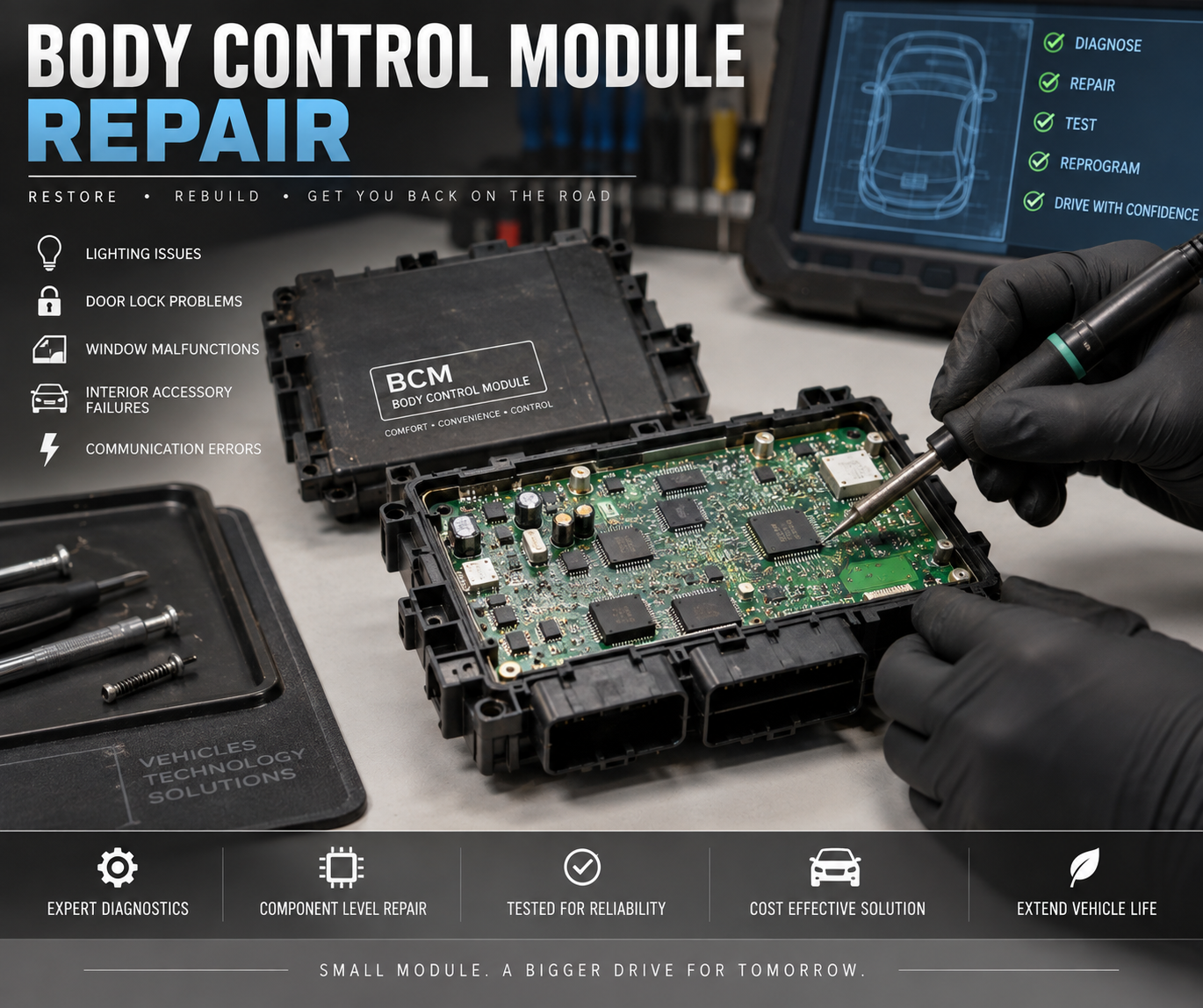
Component-Level Repair: Instead of replacing the whole assembly, technicians examine the board under microscopes to fix corroded traces, faulty microchips, and damaged solder joints.
Data Extraction & Cloning: Even if a unit is severely water-damaged, skilled specialists can often harvest the vital configuration data straight from your original dead board. They can then clone that exact data onto a healthy donor unit.
True Plug-and-Play: Once the unit is repaired or cloned and properly recoded to your specific vehicle identification, you can plug it straight back into your van or car and get back on the road without enduring dealership programming lockouts.
Real Drivers Skipping the Markup
You don’t have to take our word for it—motorists across the UK are regularly saving themselves thousands by opting for specialized bench repairs over dealership replacements:
Vauxhall Movano Camper Owners: Drivers converting or utilizing large utility vans often praise quick data-cloning services that get their complex electrical systems back online in days.
Vivaro & Mokka Drivers: From seatbelt pretensioner communication errors to erratic body electronics, specialized bench testing routinely rescues units written off by local garages.
Stop Guessing and Start Saving
If your vehicle is throwing mysterious electrical codes, don’t let a mechanic talk you into a blind parts-cannon approach that leaves you out of pocket. Look for dedicated automotive electronics specialists who offer a “Repair First” guarantee, complete testing before return, and comprehensive warranties.
Skipping the main dealer markup isn’t just about saving money—it’s about getting your vehicle fixed right the first time.